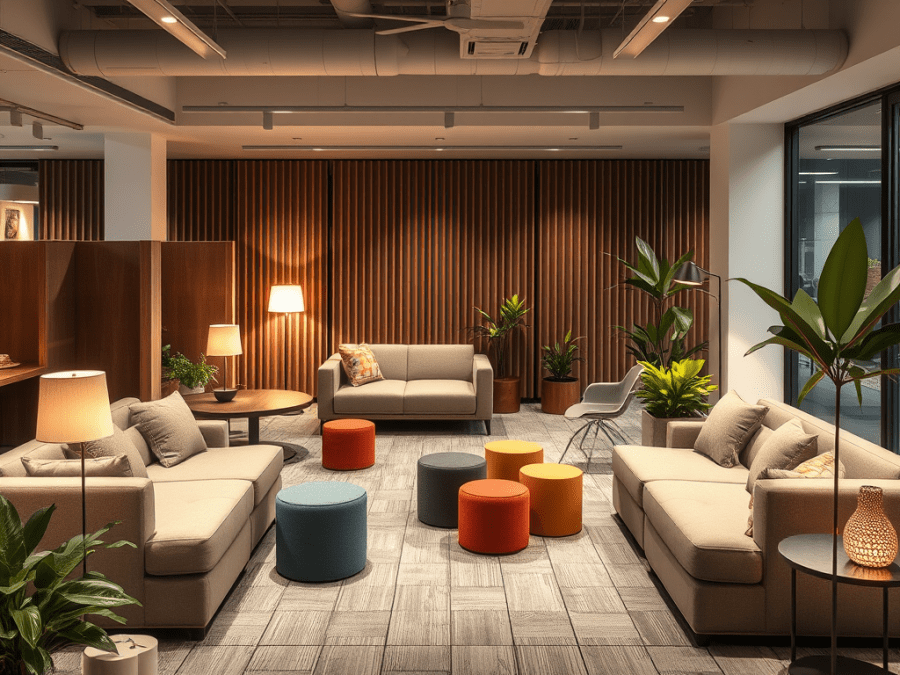
As work environments evolve, so do the expectations surrounding how offices are designed. In an era where employee wellbeing, hybrid work, and collaborative culture dominate the conversation, traditional office layouts are being reimagined to foster flexibility and human connection. A key feature of this transformation is the increasing importance of breakout office furniture.
What Is Breakout Office Furniture?
Breakout office furniture refers to the furnishings used in informal spaces within the workplace—areas not strictly designated for focused tasks or formal meetings. These include quiet corners, open lounges, and casual collaboration zones. The design of breakout furniture leans into comfort, adaptability, and versatility, enabling users to take short breaks, meet colleagues informally, or simply step away from their desks to regain focus.
Rather than acting as a decorative afterthought, breakout furniture has become an essential part of strategic office planning.
The Value of Breakout Areas
When properly implemented, breakout spaces provide far more than a change of scenery. They reflect a company’s recognition of how physical space influences productivity, creativity, and job satisfaction. As workers seek a balance between collaboration and concentration, breakout areas bridge the gap between private and shared work.
Some of the practical benefits include:
- Encouraging spontaneous team discussions
- Offering employees a comfortable place to unwind
- Supporting mental wellness by introducing zones of calm
- Making room for mobile work and flexible schedules
- Providing settings suitable for both solo and group use
In addition, breakout areas often contribute to the overall atmosphere of an office, making it feel more open, inclusive, and responsive to employee needs.
Designing with Purpose
Breakout furniture needs to serve more than aesthetic goals. It must be functional, ergonomic, and adaptable to multiple uses. The right choices can enhance office flow, reduce stress levels, and reinforce company values through design.
Effective breakout zones often include:
- Soft seating such as modular sofas and poufs
- Movable tables and stools for impromptu work or brainstorming
- Acoustic elements for privacy and reduced noise
- Floor lamps or task lighting to support focus
- Plant life and natural textures to create a restorative ambiance
Importantly, the layout should allow for fluid movement between breakout areas and more traditional workspaces, supporting the day’s different energy levels and tasks.
A Response to Changing Work Culture
The rise of hybrid work has redefined the role of the physical office. It’s no longer just a place to sit at a desk—it’s a hub for collaboration, culture, and shared identity. As such, creating spaces where people want to be has become crucial.
Breakout areas align with this shift by promoting environments that are less rigid and more people-friendly. They are especially relevant in:
- Hybrid office models
- Creative industries that thrive on collaboration
- Tech companies emphasizing agile workflows
- Organizations prioritizing employee experience
For insights on different design approaches and solutions, this resource may be helpful: https://britishwire.co.uk/modern-breakout-office-furniture/
Tips for Implementation
Introducing breakout furniture to an existing office doesn’t have to mean a full redesign. Even small changes can make a big impact if guided by a thoughtful approach. Key considerations include:
- Identifying underutilized areas that can be repurposed
- Selecting multi-functional furniture for adaptability
- Ensuring access to power sources and Wi-Fi
- Balancing open and enclosed breakout zones
- Incorporating feedback from employees on what they need most
When employees feel that their comfort and work styles have been considered, engagement and morale naturally follow.
More Than Just a Trend
Breakout office furniture is not a passing phase in workplace design. It represents a fundamental shift in how we think about productivity, wellness, and work-life integration. By designing offices that reflect the diversity of workstyles and the human need for flexibility, organizations signal their willingness to adapt and grow with their teams.
From supporting mental health to unlocking creativity, breakout furniture plays a critical role in the future of work. As business leaders look ahead, investing in these dynamic, people-first spaces may prove to be one of the smartest decisions they make.
 Furniturea