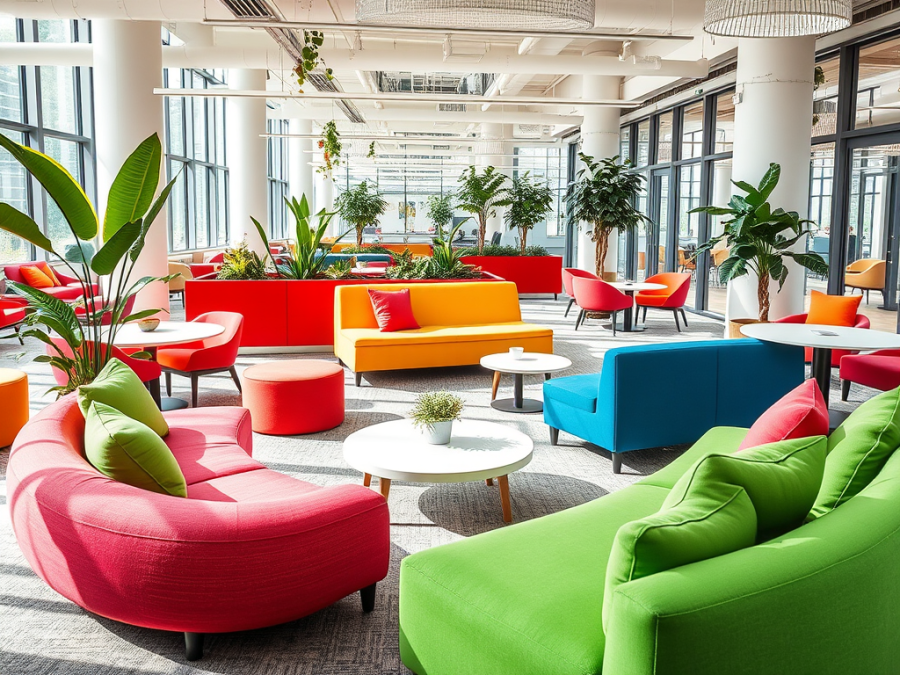
The modern office is undergoing a transformation. No longer just a place for desks, computers, and structured meetings, today’s workspace is a multifunctional environment designed to foster creativity, well-being, and collaboration. Among the most important elements driving this shift is breakout office furniture. These carefully designed pieces are not just additions—they are vital components of a flexible, human-centric office design.
What Exactly Is Breakout Office Furniture?
Breakout office furniture refers to the seating, tables, and modular elements found in informal office areas. These breakout zones are typically placed away from traditional workstations and serve as spaces for rest, casual conversations, brainstorming sessions, or quiet individual work. The goal is to give employees the opportunity to step away from their desks and interact with the space and people differently.
Such furniture often features softer materials, vibrant colors, and movable components to create an inviting and adaptable atmosphere. It blurs the lines between working and relaxing, helping teams remain refreshed and motivated throughout the day.
The Benefits of Breakout Spaces in a Modern Workplace
Creating breakout areas within an office is not just about aesthetics—it’s a strategic decision that supports employee productivity and satisfaction. Providing an alternative to the conventional work desk allows workers to take short mental breaks, connect with colleagues, or find inspiration in a new setting.
Breakout office furniture contributes to:
- Improved communication between departments and teams
- Higher levels of employee engagement and satisfaction
- Reduced stress and fatigue from long hours at a desk
- Enhanced creativity thanks to varied surroundings
- A stronger sense of workplace community and identity
When well-executed, these zones can become some of the most utilized and appreciated areas in an office.
Design Tips for Effective Breakout Zones
Designing a breakout space starts with understanding how your team works. Different office cultures call for different solutions—what works for a tech startup may not suit a legal firm. However, some universal design principles can guide the process.
Consider including:
- Soft seating like couches, poufs, or upholstered benches
- Coffee tables or low modular tables for flexible use
- High stools and bar tables for quick discussions
- Acoustic partitions or semi-enclosed booths for focused breaks
- Easily reconfigurable furniture for adapting to various team sizes and activities
- Natural elements like plants or access to daylight to boost comfort and mood
These design elements not only enhance the usability of the breakout area but also make it an integral part of the office’s visual and cultural identity.
Breakout Furniture as a Strategic Business Asset
Beyond daily convenience, breakout furniture serves as a symbol of organizational values. It tells employees that their well-being matters and that collaboration and creativity are encouraged. In an increasingly competitive labor market, features like these also serve as a tool for attracting top talent and making a strong first impression on clients and guests.
Companies investing in their workspaces often see a measurable return: improved morale, fewer sick days, stronger interdepartmental collaboration, and greater employee retention. As hybrid work models gain popularity, offices must offer something meaningful beyond just a place to work. Breakout spaces help fill that gap.
For more insight into how modern breakout furniture supports productivity, read the full article at
https://newspapertime.co.uk/designing-productive-spaces-with-modern-breakout-office-furniture/.
Conclusion
Breakout office furniture is more than a design trend—it’s a response to the changing expectations of the workforce. As we continue to balance flexibility, mental well-being, and collaboration in professional environments, these informal areas are becoming essential. They serve as a physical reminder that work doesn’t have to be rigid to be effective. By creating breakout spaces that are both functional and inspiring, businesses can foster a culture where employees thrive—and that’s the kind of workplace built for the future.
 Furniturea