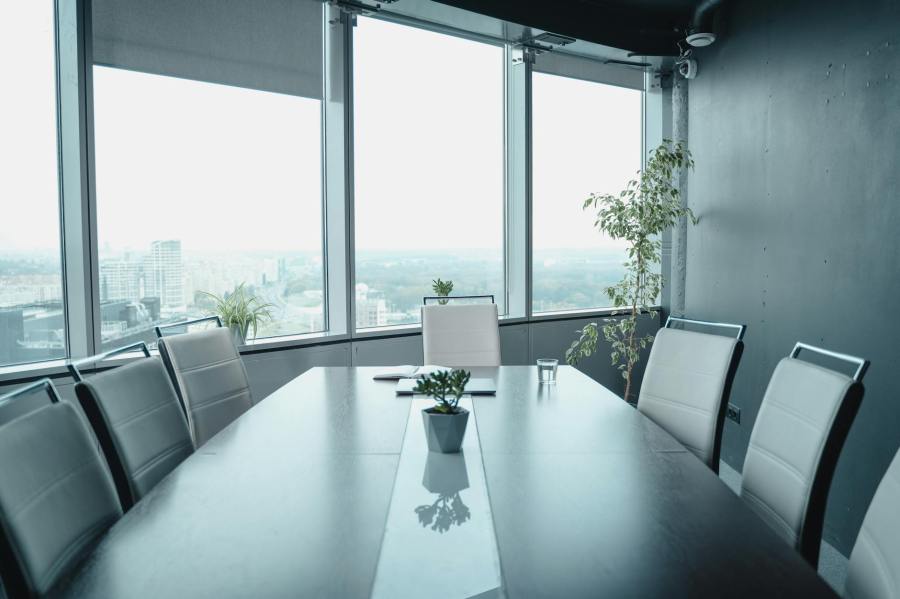
In modern office environments, the traditional desk setup no longer meets the evolving needs of today’s dynamic workforce. Breakout spaces, designed for informal collaboration, creativity, and relaxation, have become essential in promoting a flexible and efficient work environment. At the heart of these spaces is breakout office furniture, which plays a pivotal role in fostering interaction, boosting productivity, and enhancing employee well-being. Let’s explore how these flexible spaces and the furniture within them shape the future of work.
Why Breakout Spaces Matter
In an era where open office plans are the norm, finding areas that promote focused work and creativity can be challenging. Breakout spaces offer employees a place to retreat, regroup, and re-energize. These informal areas allow for impromptu meetings, brainstorming sessions, and individual reflection. Research shows that offering diverse environments for employees not only boosts productivity but also enhances overall job satisfaction.
The key to creating a successful breakout space is thoughtful furniture selection. The right pieces create an environment that encourages relaxation without sacrificing professionalism. In turn, these spaces become hubs for innovation and collaboration, where employees can step away from their desks and engage in fresh thinking.
Designing the Ideal Breakout Space
Designing a breakout space requires careful consideration of both aesthetics and functionality. Comfort is a priority, but so is creating a layout that facilitates communication. Breakout office furniture must be adaptable, allowing for easy reconfiguration based on the needs of the team or individual.
Here are a few essential elements to consider when designing a breakout space:
- Modular seating: Adaptable and easy to move, modular furniture allows employees to reconfigure the space as needed for group activities or solo work.
- Soft seating and sofas: Comfortable seating options create a relaxing atmosphere, ideal for informal meetings or quick breaks.
- Standing tables and bar stools: These encourage movement and can serve as an alternative to sitting, promoting a more active workspace.
- Collaborative tables: Round or oval tables help foster a sense of equality in discussions, making them ideal for team collaboration.
The Impact of Breakout Furniture on Workplace Culture
Breakout office furniture does more than provide a place to sit. It directly influences workplace culture by shaping how employees interact and collaborate. A well-designed breakout area can help break down hierarchies, encourage cross-departmental communication, and inspire creativity. When employees feel comfortable and valued, they are more likely to engage in meaningful conversations and contribute innovative ideas.
In addition, breakout spaces give employees the chance to recharge. The inclusion of comfortable furniture, natural light, and vibrant colors creates a welcoming environment that can reduce stress and increase job satisfaction. Companies that prioritize these spaces often see a positive impact on employee retention and engagement.
Choosing Sustainable Breakout Furniture
As sustainability becomes an increasingly important consideration in the business world, many companies are seeking breakout furniture that aligns with their eco-friendly values. Sustainable materials like recycled wood, metal, and low-impact fabrics not only reduce environmental impact but also communicate a company’s commitment to responsible practices.
Opting for durable, timeless designs also ensures that the furniture will last for years, reducing the need for frequent replacements. This not only benefits the environment but also supports a company’s long-term budget and resource management.
How Breakout Spaces Foster Creativity and Innovation
One of the most significant advantages of breakout spaces is their ability to foster creativity. The informal nature of these areas encourages employees to step away from their usual work routine, which can help spark fresh ideas. The collaborative setup, flexible seating arrangements, and absence of formal office constraints allow for free-flowing conversations and brainstorming sessions.
These spaces also offer a break from the distractions of a traditional office setup. Without the noise and interruptions of a bustling office, employees can focus on innovative thinking or simply relax for a moment of mental clarity. This balance between work and rest is critical in maintaining a high level of productivity.
Creating a Balance Between Breakout Spaces and Traditional Workstations
While breakout spaces are becoming increasingly popular, they should complement—not replace—traditional workstations. An office that integrates both formal and informal work environments allows employees to choose the setting that best suits their task. A carefully curated balance between desk spaces and breakout areas ensures that employees have the flexibility to work how and where they feel most productive.
By investing in versatile breakout office furniture, companies can create a dynamic workspace that accommodates a variety of working styles. Whether employees need a quiet spot to focus, a collaborative environment to brainstorm, or a cozy corner to relax, a well-furnished breakout space will meet those needs.
Conclusion
Breakout office furniture is no longer just an optional addition to a modern workspace—it’s a fundamental element in fostering collaboration, creativity, and well-being. By carefully selecting furniture that balances comfort, functionality, and aesthetics, companies can create spaces that encourage employees to engage, innovate, and thrive. In today’s ever-evolving work environment, providing employees with the right tools and spaces is essential to staying competitive and fostering a positive company culture.

 Furniturea