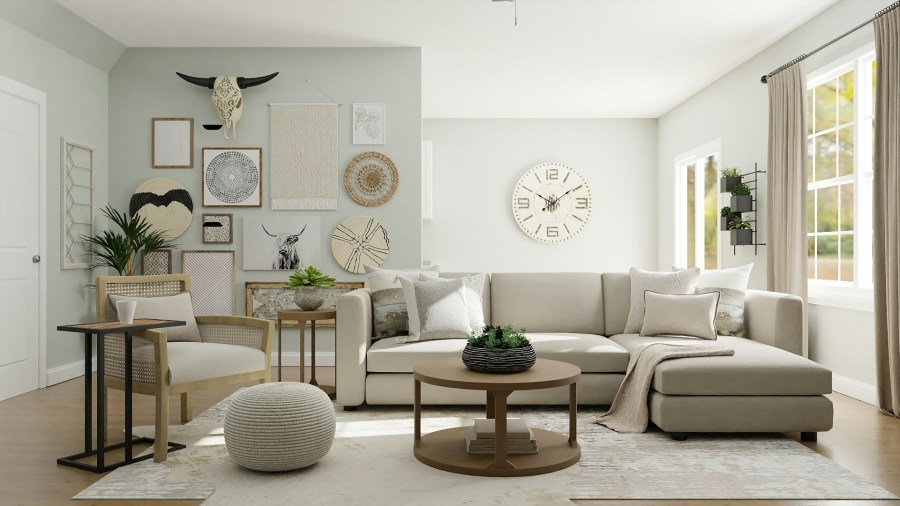
In an era where flexibility is key, offices are undergoing a dynamic shift. The traditional, rigid office set-up is being replaced by multifunctional spaces that can adapt to the diverse needs of the modern workforce. At the heart of this transformation is flexible furniture. This article explores how versatile furniture pieces can redefine office functions and create more efficient, collaborative, and comfortable workspaces.
The Rise of Multifunctional Spaces
In recent years, the office environment has witnessed a significant shift. The one-size-fits-all approach has given way to a more flexible, adaptable model. Multifunctional spaces are becoming increasingly popular as they cater to a range of activities, from focused individual work to collaborative team meetings.
Flexible Furniture: The Game Changer
Flexible furniture plays a pivotal role in creating multifunctional spaces. From height-adjustable desks to modular seating, these versatile pieces allow for quick and easy reconfiguration of the workspace, catering to the changing needs of the day or the project at hand.
- Height-adjustable desks: These desks allow employees to alternate between sitting and standing, promoting better posture and reducing the risk of health issues associated with prolonged sitting.
- Modular seating: These pieces can be easily moved and rearranged to create different settings for collaboration, relaxation, or focused work.
Benefits of Flexible Furniture in the Office
Flexible furniture not only enhances the functionality of the office but also offers several other benefits.
- Boosts productivity: By providing employees with the ability to customize their workspace, flexible furniture can enhance comfort and efficiency, thereby boosting productivity.
- Promotes collaboration: By creating open, adaptable spaces, flexible furniture facilitates communication and teamwork.
- Improves employee wellbeing: By enabling employees to work in a manner that suits them best, flexible furniture can contribute to improved health and wellbeing.
Embracing the Future of Work
As the nature of work continues to evolve, the design of office spaces must keep pace. Flexible furniture provides the adaptability that modern workspaces require, enabling businesses to create environments that foster productivity, collaboration, and employee wellbeing.
Conclusion
Flexible furniture is more than just a trend; it’s a strategic tool that can transform office functions and redefine how we work. By embracing this shift, businesses can create multifunctional spaces that are not only efficient and adaptable, but also promote a healthier, more collaborative, and more satisfying working environment.
 Furniturea